


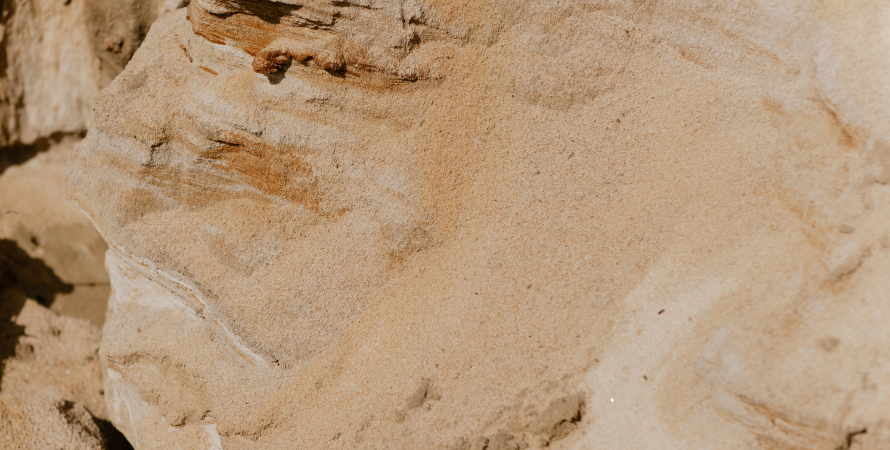

Sandstone has always been more than just a building material; it is a storyteller carved by nature and shaped by human hands. With its earthy tones and natural strength, sandstone carries an unmistakable warmth that connects us to the land itself. In India, the legacy of sandstone stretches back centuries, finding its place in some of the most iconic monuments, forts, and palaces. At the same time, it remains a favorite material for artisans who transform it into delicate lamps, fountains, and decorative items for homes. The charm of sandstone lies in its ability to be both majestic and humble, both strong and artistic.
The history of sandstone in India is etched in red, pink, and golden hues. The Red Fort in Delhi, an enduring symbol of power, rises proudly in sandstone. Qutub Minar, another UNESCO heritage site, stands as a testimony to the durability and elegance of this stone. In Jaipur, the Hawa Mahal dazzles in pink sandstone, creating a façade that continues to captivate visitors. These structures are not just architectural achievements; they are living reminders of how sandstone has been trusted for centuries as a material that combines strength with beauty. Rajasthan, with its deserts and quarries, has long been the heart of sandstone production, and the artisans of the region have passed down their skills from generation to generation, ensuring that the stone never loses its cultural importance.
One of the reasons sandstone is loved by both builders and artisans is its unique texture and workability. Unlike harder stones, sandstone can be carved with relative ease while still retaining its strength. This balance makes it ideal for intricate jaali or lattice work, where artisans create geometric or floral designs that allow light to filter through. When lit from within, sandstone lanterns and lamps glow softly, spreading a rustic warmth that no artificial material can replicate. The stone’s natural shades, ranging from warm reds and browns to soft yellows and beiges, add to its appeal, giving each piece a distinct character.
Sandstone handicrafts embody this dual nature of practicality and artistry. In gardens, fountains made of sandstone bring an earthy charm, blending seamlessly with greenery and water. In homes, carved panels add a touch of tradition to modern interiors, creating a balance between heritage and contemporary style. Small sculptures and figurines carved from sandstone also find their place in temples, living rooms, and courtyards, carrying the grace of Indian craftsmanship to every corner of the world. Even planters made of sandstone have a quiet elegance that makes them stand apart from ordinary garden pots.
What makes sandstone handicrafts even more special is their ability to adapt to modern aesthetics while holding on to tradition. A sandstone candle holder, for example, may carry centuries-old carving techniques but sits perfectly on a modern coffee table. A sandstone wall panel, inspired by Mughal architecture, can just as easily adorn the lobby of a luxury hotel as it can a traditional haveli. This versatility has made sandstone one of the most sought-after materials for those who wish to bring history into their everyday lives.
Taking care of sandstone is simple, but like any natural material, it requires some attention. Regular dusting keeps it clean, while occasional polishing with natural stone sealants helps maintain its beauty. For indoor pieces, it is important to keep them away from constant exposure to moisture, while outdoor fountains and sculptures benefit from natural weathering, which often enhances their rustic charm. Unlike synthetic materials that fade or wear out quickly, sandstone matures gracefully, adding character with time.
In today’s design world, sandstone continues to inspire architects and homeowners alike. From flooring and tiles to handcrafted décor pieces, it has found a place in both traditional and modern settings. Its natural appeal makes it an eco-friendly choice, and its long-lasting nature ensures that it remains a wise investment. More importantly, sandstone carries with it a connection to history, to the hands of artisans who carved it, and to the landscapes from which it emerged.
In essence, sandstone is more than a stone; it is a reminder of resilience and creativity. It reflects the earth’s raw power and the delicate touch of human artistry. Whether in the towering walls of a fort or in the soft glow of a lantern, sandstone continues to enchant us with its ability to balance strength with beauty. To own a piece of sandstone handicraft is to own a piece of heritage, a fragment of history, and a work of art that stands the test of time.


Interesting points! Seeing AI like Sora 2 Video Generator really changing content creation is wild. The accessibility-web-based, cross-device-makes it so anyone can jump in and experiment. It’s a game changer! Sora 2 Video Generator