


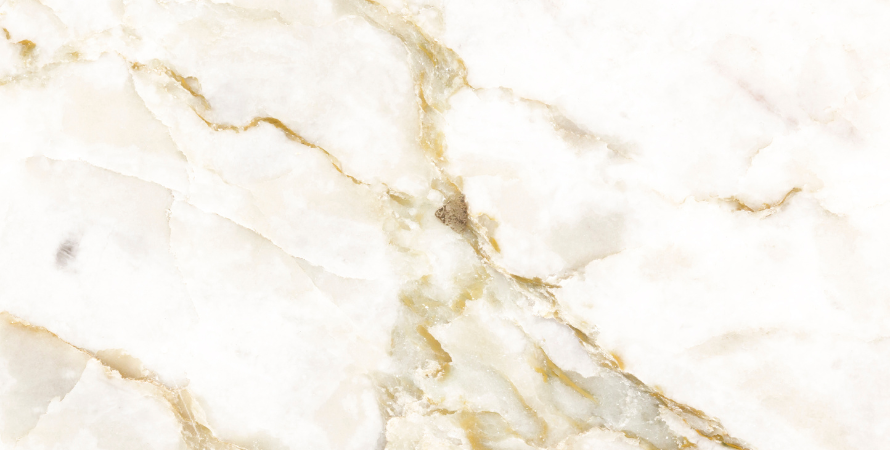

For centuries, marble has held a special place in the world of art, architecture, and culture. It is more than just a stone; it is a symbol of elegance, refinement, and endurance. From the stunning Taj Mahal in Agra to the countless palaces and temples across India, marble has been used to showcase the finest craftsmanship and creativity of artisans. Even today, in a world filled with modern materials and synthetic substitutes, marble continues to be admired for its natural beauty and versatility. The timeless charm of this stone makes it equally relevant in grand monuments and in the smallest of handcrafted items that decorate our homes.
The history of marble is deeply connected to human civilization. In ancient Greece and Rome, it was considered the ultimate material for sculpture and architecture. Temples, amphitheaters, and statues carved in marble were not only expressions of beauty but also demonstrations of strength and permanence. India, too, has a long-standing relationship with marble. The Mughals, in particular, gave marble an exalted place in architecture, using it to construct some of the most remarkable monuments in history. The Taj Mahal, with its flawless white marble, stands as an eternal symbol of love and artistry. Even today, Rajasthan, especially the Makrana region, remains a global hub for marble mining and carving, supplying raw stone and finished handicrafts to every corner of the world.
One of the reasons marble has remained so popular is its physical properties. It is smooth, durable, and relatively easy to carve compared to other stones, which makes it ideal for artisans. The natural shine and veins running through it add to its uniqueness, ensuring that no two pieces are ever identical. It is available in a range of shades, from pure white to soft pinks, greens, and even deep blacks with golden streaks. This variety allows craftsmen to experiment with different designs and create works that are both functional and decorative.
Marble handicrafts represent the perfect blend of tradition and creativity. Skilled artisans transform raw marble into intricate statues, idols, and figurines that hold immense cultural and spiritual value. Many homes and temples feature marble idols of deities like Ganesha, Krishna, and Buddha, carved with breathtaking detail. Beyond religious art, marble also finds its way into everyday décor through vases, bowls, trays, and candle holders that instantly elevate the aesthetics of a room. The Mughal-inspired inlay work, where colored stones are embedded into marble surfaces to create floral or geometric designs, continues to mesmerize people across the world. Tabletops, coasters, and jewelry boxes crafted with this technique are not just household items but works of art that carry forward centuries of tradition.
The charm of marble lies not just in its appearance but also in the emotions and values it represents. Owning a marble handicraft is like owning a piece of heritage. It brings with it a sense of luxury, elegance, and cultural richness. Even something as simple as a marble mortar and pestle or a serving platter transforms into a statement piece because of the material’s inherent sophistication. Unlike synthetic alternatives, marble handicrafts also stand the test of time. With proper care, they can be passed down through generations, becoming cherished heirlooms that connect families to their cultural roots.
Taking care of marble items, however, requires some attention. Because marble is porous, it is vulnerable to stains from acidic substances and harsh chemicals. A soft cloth with mild soap and water is usually enough for cleaning. Strongly colored liquids like wine, coffee, or turmeric should be kept away from marble surfaces to prevent discoloration. Regular wiping helps maintain its shine, and occasional polishing can restore its luster when it begins to dull. With such care, marble handicrafts retain their beauty for decades, making them an investment worth making.
Today, marble is not confined to palaces and temples. It has entered modern interiors in innovative ways. From tabletops with sleek designs to minimalist sculptures and decorative lamps, marble is being adapted to contemporary lifestyles while preserving its traditional essence. Its ability to balance modernity with heritage makes it one of the most versatile stones in handicrafts.
In conclusion, marble is not simply a building material or decorative stone; it is a timeless expression of art and culture. It has been cherished by kings, artisans, and everyday people alike for its ability to combine beauty with durability. Whether carved into a grand idol, shaped into a delicate bowl, or inlaid with colorful patterns, every marble handicraft tells a story. Owning one is not just about aesthetics, but about carrying forward a legacy of craftsmanship that has been admired for centuries. Marble, in all its forms, will continue to remain the king of stones, a symbol of timeless beauty that never fades.


Great article! It connects history, culture, and modern design in such a smooth flow.
Semi-precious stone items are so unique, I recently bought an agate platter and it looks stunning at home.
Semi-precious stone items are so unique, I recently bought an agate platter and it looks stunning at home.
Beautifully written! I never knew marble handicrafts carry such a rich legacy. Proud of our Indian artisans.
I enjoyed reading this article. Thanks for sharing your insights.